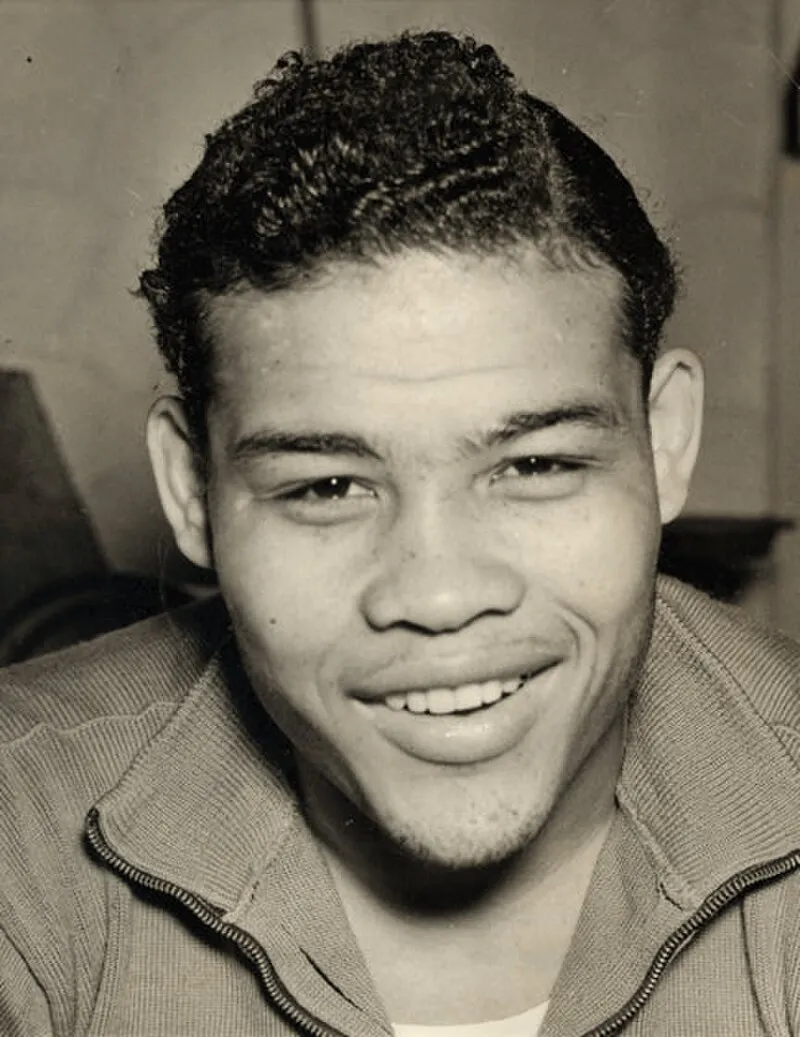
Joe Louis Net Worth 2026 - The Brown Bomber's Rise and Financial Fall
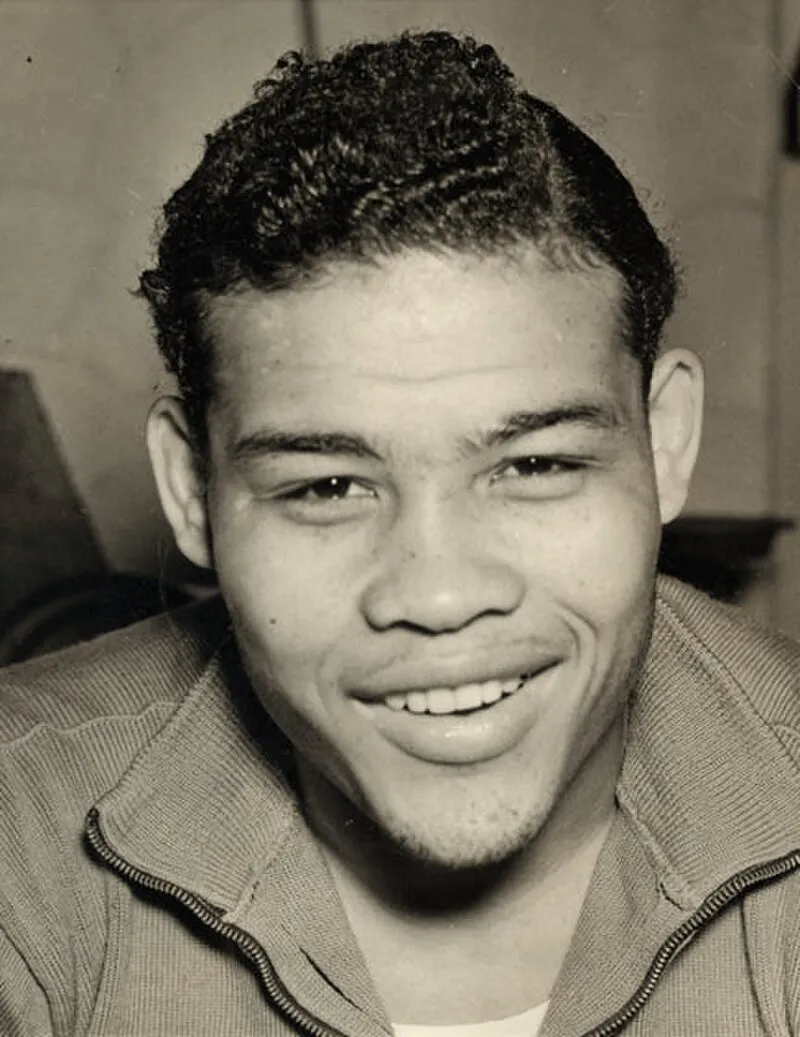
Photo of Joe Louis, via Wikimedia Commons
The Financial Legacy of Boxing's Brown Bomber
Joe Louis Barrow, known to the world as the "Brown Bomber," remains one of boxing's most complex financial stories. While his estimated net worth at the time of his death in 1981 was effectively negative due to overwhelming debts, his career earnings during the 1930s and 1940s represented unprecedented wealth for any athlete of his era.
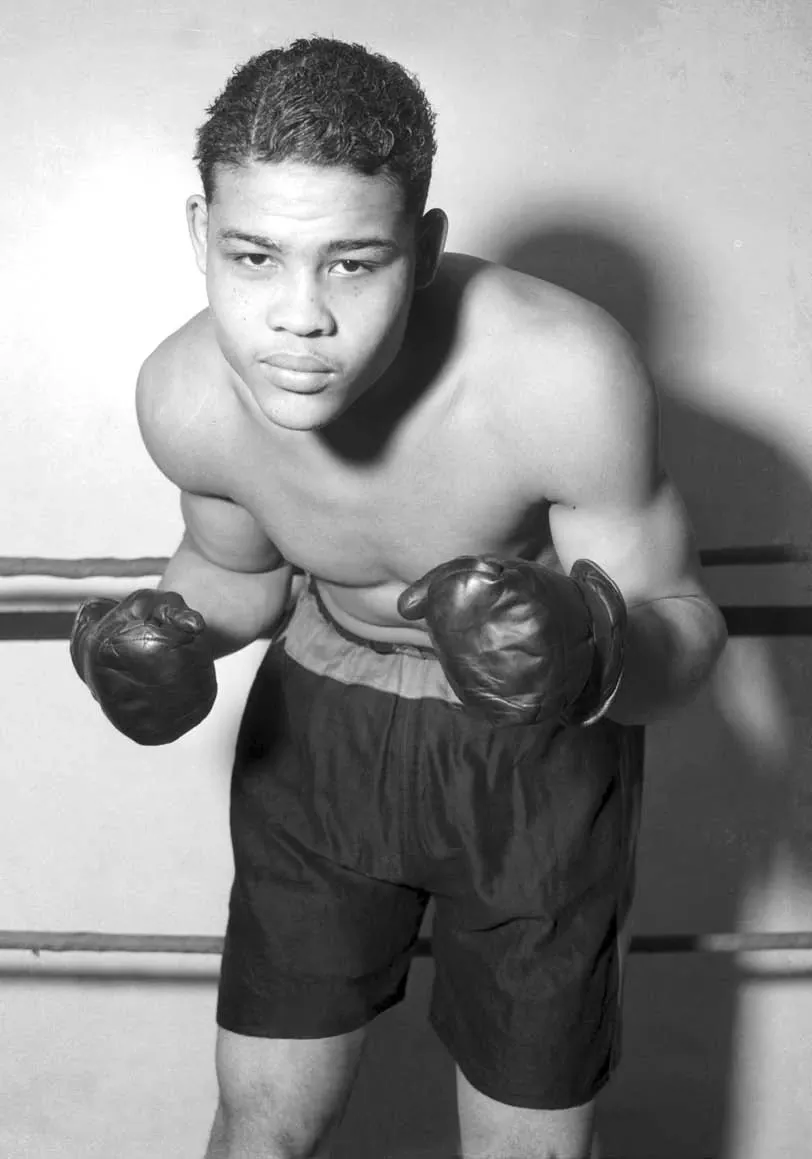 Photo: Joe Louis, via static.wikia.nocookie.net
Championship Earnings and Peak Financial Success
During his remarkable 12-year reign as heavyweight champion from 1937 to 1949, Louis commanded purses that dwarfed those of his contemporaries. His most lucrative fights generated substantial revenue:
Major Fight Purses:
- First Billy Conn fight (1941): $153,905
- Max Schmeling rematch (1938): $349,228
- Jersey Joe Walcott fights: Combined $300,000+
- Exhibition tours: $500,000+ annually during peak years
Adjusted for inflation, Louis earned the equivalent of approximately $15-20 million throughout his active career, making him one of the highest-paid athletes in American sports history at that time.
The Business Empire Beyond Boxing
Louis leveraged his fame into various business ventures during his championship years. He owned a successful chain of fried chicken restaurants, invested in real estate properties in Detroit and Chicago, and secured endorsement deals with major brands including Chesterfield cigarettes and various sporting goods companies.
His promotional company, Joe Louis Enterprises, managed several up-and-coming fighters and organized exhibition matches across the country. The enterprise generated substantial additional income beyond his fight purses, contributing an estimated $200,000 annually during his peak earning years.
The IRS Nightmare That Destroyed a Fortune
The financial downfall of Joe Louis serves as a stark reminder of the importance of proper tax planning and financial management. His troubles began during World War II when he donated his purses from two major fights to military relief funds. While patriotic, these donations created a tax liability nightmare that would haunt him for decades.
The Internal Revenue Service pursued Louis relentlessly for back taxes, penalties, and interest that eventually totaled over $1.2 million—an astronomical sum for the era. Despite earning millions throughout his career, poor financial advice and inadequate tax planning left him unable to satisfy these obligations.
Post-Boxing Financial Struggles
After retiring from boxing in 1949, Louis attempted various comebacks and business ventures to address his mounting debts. His return to the ring in 1950 against Ezzard Charles and his final fight against Rocky Marciano in 1951 were motivated primarily by financial desperation rather than competitive desire.
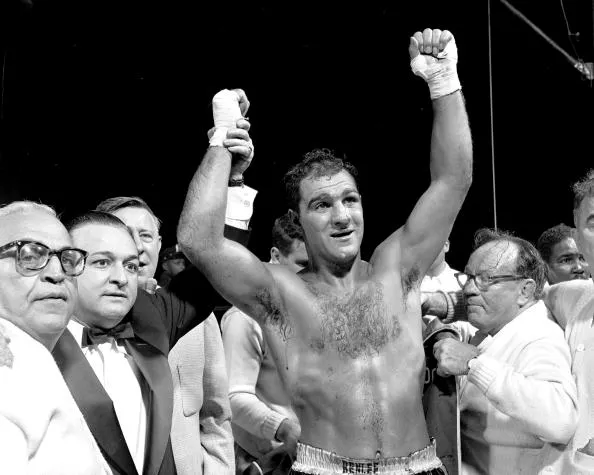 Photo: Rocky Marciano, via statics.sportskeeda.com
These comeback attempts proved unsuccessful both competitively and financially, as Louis was past his prime and unable to command the purses of his championship years. The fights generated approximately $300,000 combined, but after taxes, training expenses, and management fees, Louis netted significantly less.
The Caesars Palace Years
In his later years, Louis found steady employment as a greeter and host at Caesars Palace in Las Vegas, earning approximately $50,000 annually. While this position provided financial stability and allowed him to maintain his dignity, it represented a dramatic fall from his status as boxing's highest-paid champion.
 Photo: Caesars Palace, via www.shutterstock.com
The casino role also included appearances at boxing matches and promotional events, supplementing his income while keeping him connected to the sport that made him famous. This arrangement continued until health problems forced his retirement in the late 1970s.
Endorsements and Media Opportunities
Throughout his post-boxing career, Louis maintained some endorsement relationships and made appearances in films and television shows. These opportunities provided additional income streams, though they never approached the earning potential of his championship years.
His autobiography and various media projects generated modest royalties, while speaking engagements at sports banquets and corporate events provided supplemental income during the 1960s and 1970s.
The Lasting Financial Legacy
Joe Louis's financial story serves as both inspiration and warning for modern athletes. His ability to earn unprecedented sums during the 1930s and 1940s demonstrated the earning potential of elite athletic performance, while his subsequent financial troubles highlighted the critical importance of proper tax planning and financial management.
Modern boxing champions and their management teams often cite Louis's experience as a cautionary tale when structuring contracts and investment strategies. His story influenced the development of more sophisticated financial planning services for professional athletes.
Cultural and Economic Impact
Beyond his personal finances, Joe Louis's career had profound economic implications for professional boxing and African American athletes. His success opened doors for future generations of fighters and helped establish boxing as a legitimate entertainment industry capable of generating substantial revenue.
His fights drew massive crowds and radio audiences, creating new revenue streams for promoters, broadcasters, and venues. The economic model established during Louis's championship reign influenced boxing promotion for decades to come.
Lessons for Modern Boxing
The financial trajectory of Joe Louis offers valuable insights for contemporary boxers navigating similar wealth and fame. His experience underscores the importance of professional financial management, proper tax planning, and diversified investment strategies.
While Louis faced unique challenges related to the era's tax laws and limited financial services for athletes, his story remains relevant for modern fighters who must balance immediate earning opportunities with long-term financial security.
The Brown Bomber's legacy extends far beyond his remarkable athletic achievements, serving as a complex case study in the intersection of sports, celebrity, and financial management in 20th-century America.