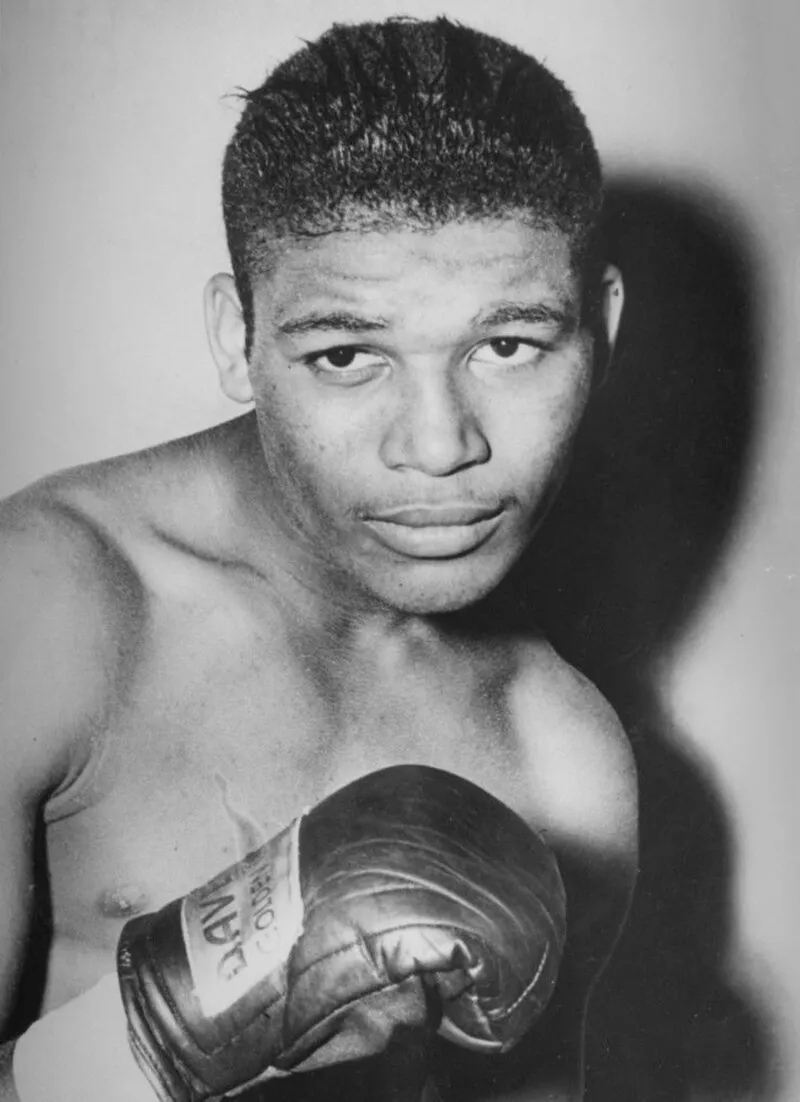
Sugar Ray Robinson Net Worth 2026 - How They Built Their Fortune
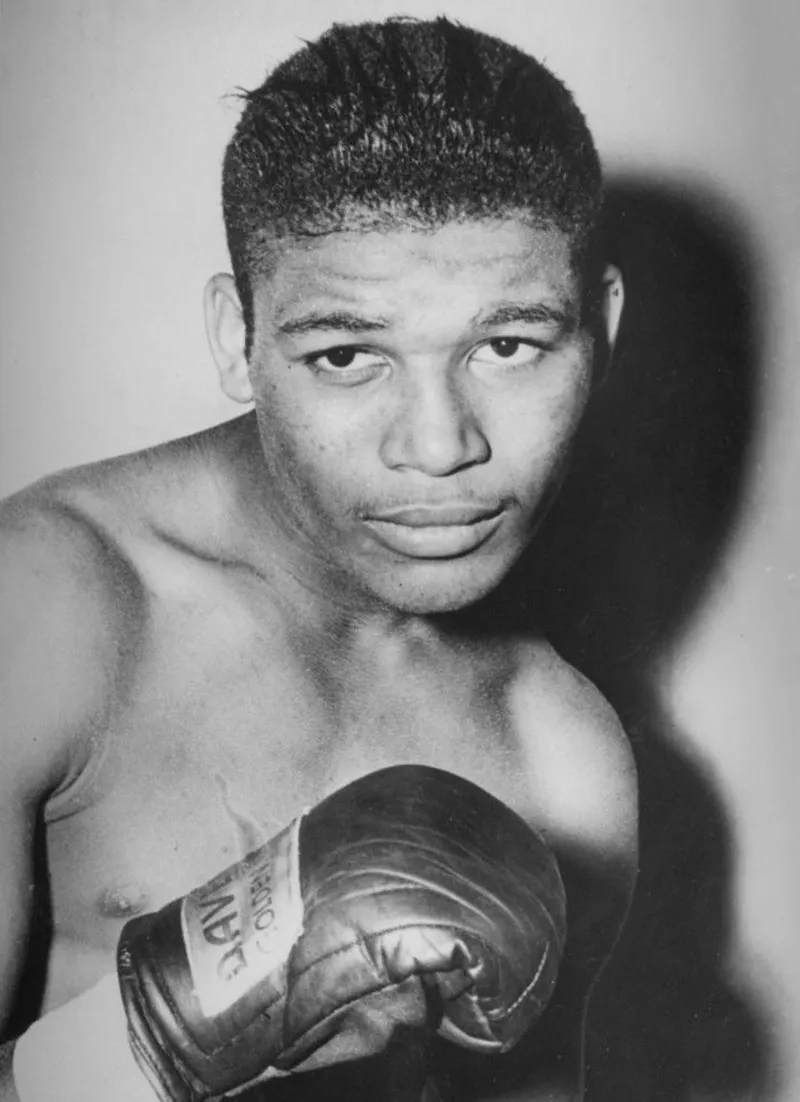
Photo of Sugar Ray Robinson, via Wikimedia Commons
The Greatest Fighter's Financial Journey
Sugar Ray Robinson's net worth at the time of his death in 1989 was estimated at approximately $500,000, a stark contrast to the millions he earned throughout his illustrious career. However, his estate and boxing legacy have generated significant posthumous value, with current estimates placing his brand worth at over $3 million in 2026.
Born Walker Smith Jr. in 1921, Robinson transformed from a Harlem street kid into boxing's most celebrated champion, earning an estimated $4 million during his active career—equivalent to roughly $40 million in today's dollars.
Record-Breaking Career Earnings
Robinson's financial success stemmed primarily from his unprecedented 200+ professional fights between 1940 and 1965. His most lucrative period came during the 1950s when he commanded purses of $100,000 to $300,000 per fight—astronomical sums for that era.
Key financial milestones included:
- $329,000 for his 1951 victory over Jake LaMotta
- $240,000 for defeating Carmen Basilio in 1957
- Multiple six-figure paydays during his European tours
- Estimated $2.5 million in total fight purses throughout his career
The Harlem Business Empire
Beyond boxing, Robinson demonstrated remarkable entrepreneurial acumen. His most famous venture was Sugar Ray's Quality Cleaners in Harlem, which he opened in 1946. The business became a neighborhood institution and celebrity hangout, frequenting by entertainers and athletes.
Robinson also invested in:
- A successful barbershop on Seventh Avenue
- Real estate properties in Harlem and Los Angeles
- A brief nightclub venture
- Various endorsement deals with sporting goods companies
Lavish Lifestyle and Financial Challenges
Robinson's spending habits were as legendary as his boxing prowess. He maintained a flamboyant lifestyle that included:
- A pink Cadillac convertible with his name emblazoned on the side
- Custom-tailored suits and jewelry
- Elaborate entourages during training camps and fights
- Generous spending on friends and hangers-on
These extravagant expenditures, combined with limited financial planning resources available to athletes in his era, resulted in significant financial difficulties later in life. By the 1960s, Robinson faced tax problems and was forced to continue fighting well past his prime to generate income.
Legacy and Posthumous Value
Despite his financial struggles, Robinson's boxing legacy has proven remarkably durable. His estate has benefited from:
- Licensing deals for documentaries and biographical films
- Merchandise sales featuring his likeness and famous quotes
- Boxing memorabilia auctions that command premium prices
- Speaking engagements and appearances by family members
Modern Financial Impact
In 2026, Sugar Ray Robinson's name continues to generate revenue through various channels. Boxing historians and financial analysts estimate his brand value has grown substantially, driven by:
- Streaming rights for archival fight footage
- Book and documentary royalties
- Endorsement deals honoring his legacy
- The ongoing popularity of vintage boxing merchandise
Lessons from a Champion's Financial Journey
Robinson's financial story serves as both inspiration and cautionary tale. His ability to earn substantial sums in an era before modern sports marketing demonstrates his exceptional marketability and business instincts. However, his struggles with money management highlight the importance of financial planning for professional athletes.
Modern boxers often cite Robinson's career as both a sporting and business blueprint, learning from both his successes and setbacks. His legacy reminds us that true wealth in boxing extends beyond immediate earnings to encompass lasting cultural impact and brand value.
The Enduring Financial Legacy
While Sugar Ray Robinson may not have achieved the long-term financial security of contemporary boxing stars, his influence on the sport's business model remains profound. His pioneering approach to self-promotion and brand building laid groundwork for future generations of fighters to maximize their earning potential.
Today, Robinson's estate continues to benefit from his enduring reputation as boxing's greatest pound-for-pound fighter, proving that sporting excellence can translate into lasting financial value, even decades after a career ends.