Sugar Ray Robinson Net Worth 2026 - The Greatest Pound-for-Pound Boxer's Financial Empire Revisited
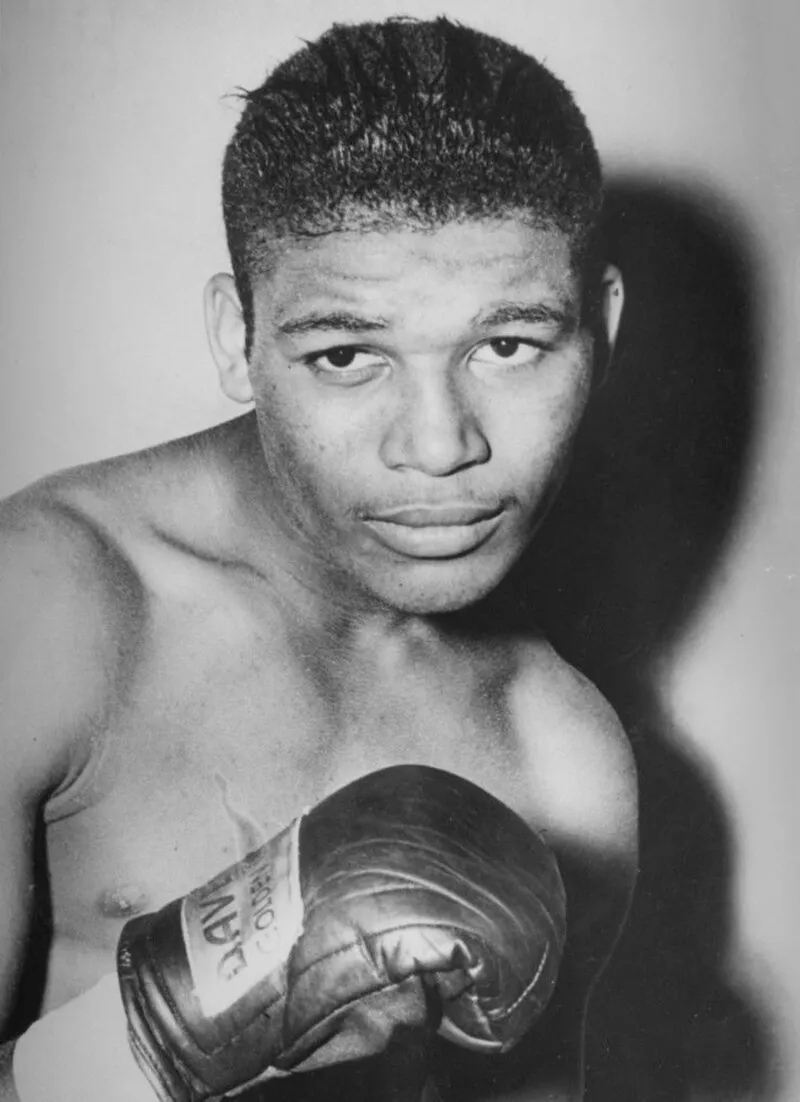
Photo of Sugar Ray Robinson, via Wikimedia Commons
Sugar Ray Robinson Net Worth 2026 - The Greatest Pound-for-Pound Boxer's Financial Empire Revisited
Sugar Ray Robinson is universally regarded as the finest boxer who ever lived, yet his financial story is as complicated as his ring artistry was elegant. A man who earned millions across five world title reigns and built a Harlem business empire, Robinson also spent lavishly, retired and returned repeatedly, and ended his life in diminished circumstances. His adjusted net worth in today's dollars offers a sobering portrait of genius, excess, and the structural vulnerabilities that have always shadowed professional boxing.
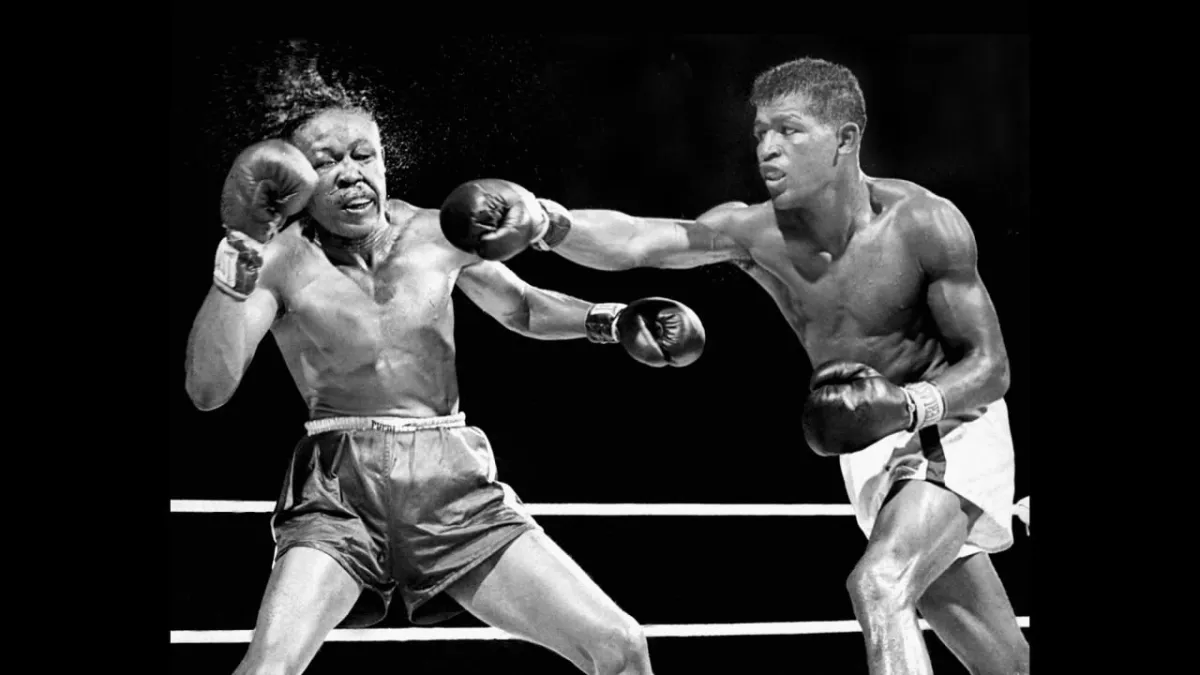 Photo: Sugar Ray Robinson, via images.squarespace-cdn.com
The Fighter Who Defined an Era
Born Walker Smith Jr. in Ailey, Georgia, in 1921 and raised in Detroit and New York, Robinson turned professional in 1940 after a decorated amateur career. He would go on to fight 200 professional bouts over a career spanning 25 years, compiling a record of 173 wins, 19 losses, and 6 draws. He held the world welterweight title and captured the middleweight championship five separate times — a record of championship accumulation that no fighter has equaled across the sport's modern era.
For US boxing fans raised on the pay-per-view model, Robinson's career exists in a different commercial universe. There were no television contracts in the modern sense for his early fights, no streaming platforms, no sanctioning body alphabet soup generating mandatory defense paydays. His income derived primarily from gate receipts, radio broadcast fees, and later, the emerging medium of television.
Career Earnings: Translating History Into Modern Dollars
Robinson's peak earning years ran from the mid-1940s through the late 1950s. His 1951 middleweight title fight against Jake LaMotta — the sixth and final bout of their legendary rivalry, immortalized in Raging Bull — reportedly generated a gate in excess of $200,000. His 1952 fight against Joey Maxim, where Robinson challenged for the light heavyweight title before collapsing from heat exhaustion, drew a significant Madison Square Garden crowd and a reported purse of approximately $250,000.
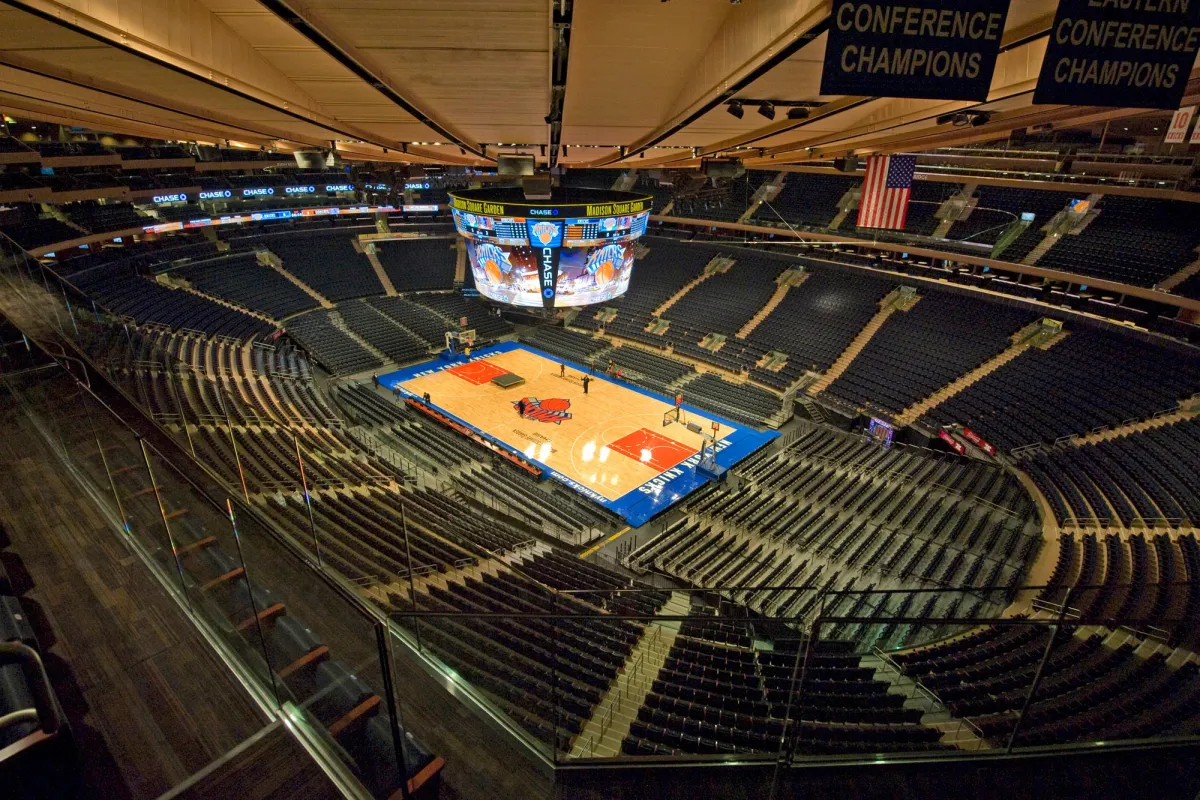 Photo: Madison Square Garden, via nypost.com
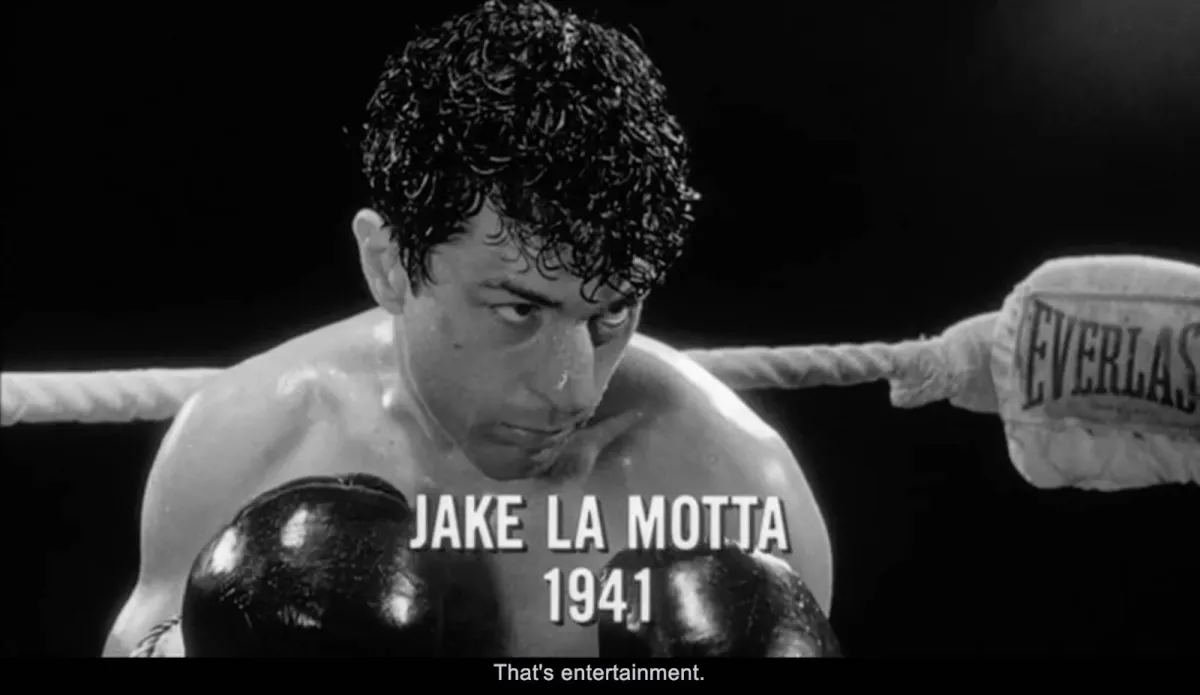 Photo: Jake LaMotta, via wallpapers.com
Adjusted for inflation using the Consumer Price Index, Robinson's major fight purses from that era translate to between $2.5 million and $3.5 million per fight in 2026 dollars — numbers that compare favorably with mid-tier pay-per-view headliners today, though they fall well short of the nine-figure paydays commanded by the sport's modern elite.
Across his entire career, Robinson is estimated to have earned the equivalent of $15 million to $20 million in today's purchasing power from fight purses alone. By any historical measure, he was among the highest-earning athletes of his generation.
The Harlem Business Empire
What distinguished Robinson from nearly every other fighter of his era was his early and deliberate investment in business infrastructure. At the height of his fame in the late 1940s and 1950s, Robinson constructed a commercial empire along Seventh Avenue in Harlem that became as famous as his boxing record.
His holdings included:
- Sugar Ray's Barbershop — a neighborhood institution that served both as a business and a social hub
- Sugar Ray's Café — a restaurant and entertainment venue that attracted celebrities, musicians, and athletes
- A dry cleaning establishment — one of several service businesses he owned simultaneously
- A lingerie company — a less-publicized but reportedly profitable venture
- A real estate portfolio — properties in Harlem and beyond
At its peak, Robinson's Harlem operation was a genuine small-business conglomerate, employing dozens of people and generating significant ancillary income. He traveled with an entourage that was itself legendary — a pink Cadillac convertible, a personal barber, a secretary, a trainer, a golf pro, and a dwarf mascot were among the reported members of his traveling party during his famous 1951 European tour. The extravagance was both a genuine expression of his personality and a marketing vehicle that amplified his celebrity.
Spending, Decline, and the Cost of Excess
Robinson's financial trajectory is inseparable from his spending habits. The same confidence and flair that made him the most compelling fighter of his generation also made him a prodigious spender. The European tour of 1951, during which he fought several times and traveled in movie-star style, reportedly cost more than it generated. His lifestyle — the entourage, the properties, the cars — consumed income at a rate that even his substantial earnings could not indefinitely sustain.
He retired in 1952, attempted a career in entertainment as a song-and-dance performer, and returned to boxing in 1954 when the entertainment ventures failed to generate sufficient income. He continued fighting — sometimes brilliantly, sometimes painfully — well into his 40s, driven in part by financial necessity.
By the time Robinson retired permanently in 1965, much of his business empire had dissolved. Poor investments, the costs of repeated comebacks, and the general financial mismanagement that characterized many athletes of his era had eroded his wealth substantially.
Later Years and Charitable Work
In retirement, Robinson established the Sugar Ray Robinson Youth Foundation in Los Angeles, where he had relocated, providing recreational and educational programming for underprivileged children. The foundation became a genuine philanthropic enterprise and a source of personal meaning in his later years, even as his financial resources remained constrained.
He lived modestly in Los Angeles, sustained in part by his wife's income and the goodwill of the boxing community. Diagnosed with Alzheimer's disease in his final years, Robinson died in 1989 with an estate that bore little resemblance to the commercial empire he had constructed at his peak.
Sugar Ray Robinson's Legacy Net Worth in 2026 Terms
If one were to calculate a peak net worth for Robinson — accounting for his fight earnings, business revenues, and property holdings at their apex in the mid-1950s — the figure in 2026 dollars would approach $10 million to $12 million. At the time of his death, however, his actual estate was a fraction of that amount.
His financial story is not simply one of squandered wealth. It is a story shaped by the structural realities of boxing in an era before fighters' unions, regulated contracts, and financial advisors were standard features of an athlete's career. Robinson navigated a commercial landscape that was designed to extract value from fighters rather than preserve it.
For today's US boxing stars, Robinson's arc carries a lesson that remains urgently relevant: the ring can generate extraordinary wealth, but only deliberate financial architecture can protect it across a lifetime.