Deontay Wilder Net Worth 2026 - How The Bronze Bomber Built His Financial Empire
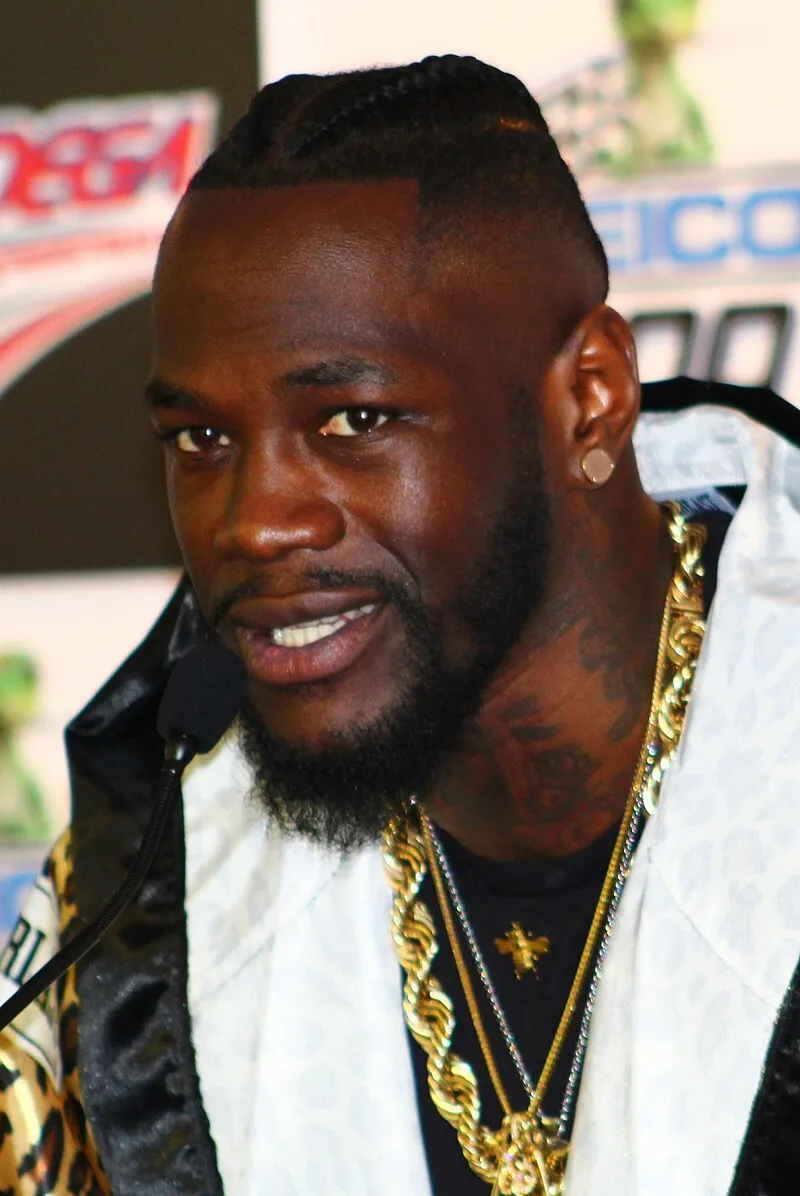
Photo of Deontay Wilder, via Wikimedia Commons
Deontay Wilder's transformation from Olympic bronze medalist to multimillionaire heavyweight champion represents one of boxing's most lucrative American success stories. The Tuscaloosa native enters 2026 with an estimated net worth of $35 million, built through devastating knockout power that commanded premium purses and pay-per-view dollars throughout his championship reign.
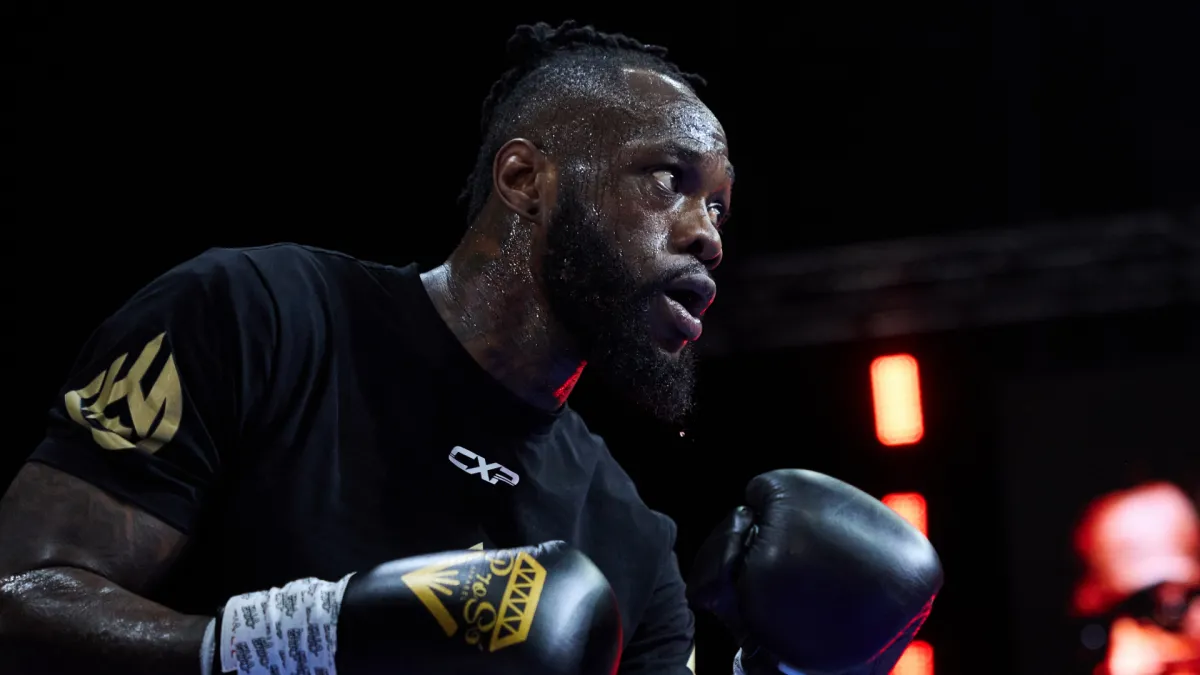 Photo: Deontay Wilder, via library.sportingnews.com
The Tyson Fury Trilogy: A Financial Masterpiece
Wilder's financial peak coincided with his three-fight series against Tyson Fury, which generated over $300 million in combined revenue. The first encounter in December 2018 earned Wilder approximately $4 million, while the February 2020 rematch brought in $25 million despite his knockout loss. The trilogy finale in October 2021 delivered his career-high payday of $20 million, cementing his status among boxing's highest-paid athletes.
These fights transformed Wilder from a promising champion into a global pay-per-view attraction, with each bout selling over 800,000 PPV units in the United States alone.
WBC Championship Reign and Defensive Purses
During his five-year reign as WBC heavyweight champion, Wilder consistently commanded seven-figure purses for mandatory defenses. His knockout victories over Luis Ortiz twice earned him $2.5 million and $3 million respectively, while lesser-known opponents like Dominic Breazeale and Gerald Washington still generated $2 million paydays.
Wilder's 95% knockout ratio made him particularly valuable to broadcasters, as his fights virtually guaranteed highlight-reel moments that drove viewership and subscriber acquisition.
Broadcast Partnerships and Network Deals
Wilder's exclusive relationship with Showtime and Fox Sports created multiple revenue streams beyond fight purses. His Fox Sports deal reportedly included appearance fees, promotional bonuses, and revenue sharing from digital content featuring his knockouts. Showtime's investment in building Wilder as a star included marketing support that enhanced his overall brand value.
The broadcaster partnerships also provided guaranteed income during periods between major fights, ensuring steady cash flow throughout his championship tenure.
Alabama Real Estate Portfolio
Wilder has strategically invested in Alabama real estate, capitalizing on his local hero status and the state's favorable tax environment. His primary residence in Tuscaloosa, purchased for $1.2 million, sits on 15 acres and includes custom training facilities that have appreciated significantly.
Additional properties include a $800,000 Birmingham investment property and undeveloped land in rural Alabama that provides both privacy and long-term appreciation potential. His real estate portfolio is conservatively valued at $4.5 million.
Endorsement Deals and Brand Partnerships
Wilder's marketability as America's most recent heavyweight champion attracted endorsement deals with major brands. His partnership with Everlast generated mid-six-figure annual income, while regional endorsements in Alabama provided additional revenue streams tied to his local popularity.
His "Bronze Bomber" persona and distinctive ring entrances created memorable marketing moments that brands leveraged for national campaigns, particularly during his championship peak.
Investment Strategy and Wealth Preservation
Working with Alabama-based financial advisors, Wilder has pursued conservative investment strategies focused on wealth preservation rather than aggressive growth. His portfolio reportedly includes municipal bonds, blue-chip stocks, and real estate investment trusts that provide steady returns while protecting against market volatility.
This approach reflects lessons learned from previous heavyweight champions who struggled with financial management during and after their careers.
Post-Championship Career Management
Since losing his WBC title, Wilder has been selective about fight opportunities, prioritizing financial return over activity level. His 2022 knockout of Robert Helenius earned $2 million, demonstrating his continued earning power despite championship absence.
Industry insiders suggest Wilder commands minimum purses of $5 million for significant opponents, reflecting his established pay-per-view appeal and knockout reputation.
Family Financial Responsibilities
Wilder's financial planning includes provisions for his large family, with multiple children from different relationships requiring ongoing support. His financial advisors have structured trust funds and education accounts that ensure long-term family security regardless of his continued boxing activity.
These responsibilities have influenced his conservative investment approach and emphasis on guaranteed income sources.
Business Ventures Beyond Boxing
Wilder has invested in Alabama-based businesses, including restaurant partnerships and local real estate development projects. His Bronze Bomber brand has generated merchandise revenue, though specific figures remain private.
His involvement in youth boxing programs in Tuscaloosa has created both community goodwill and potential future business opportunities in sports development and training facilities.
The Saudi Arabia Factor
Wilder's willingness to fight in Saudi Arabia has opened lucrative international opportunities. The Saudi boxing market's willingness to pay premium purses for established names makes Wilder an attractive option for future events, potentially generating eight-figure paydays.
His knockout power translates across cultural boundaries, making him valuable for international promoters seeking marquee attractions.
Legacy Planning and Future Earnings
At 41, Wilder faces decisions about his fighting future that will significantly impact his final net worth. Potential fights against Anthony Joshua, Francis Ngannou, or emerging contenders could each generate $10-15 million purses, substantially increasing his wealth.
Alternatively, retirement would allow him to focus on business ventures and broadcasting opportunities that could provide long-term income without physical risk.
Financial Advisement and Professional Management
Wilder's financial team includes Alabama-based advisors who understand both his local roots and national earning potential. This regional approach has helped him maintain connections to his Tuscaloosa base while maximizing national opportunities.
His management structure emphasizes long-term wealth preservation over short-term gains, reflecting lessons learned from heavyweight champions who struggled financially after retirement.
Conclusion: Securing Generational Wealth
Deontay Wilder's $35 million net worth represents successful conversion of his devastating right hand into lasting financial security. His conservative investment approach and strategic fight selection have positioned him to maintain wealth long after his boxing career concludes.
As he evaluates future opportunities, Wilder's financial foundation provides the security to be selective about risks while pursuing opportunities that could significantly expand his wealth and cement his status among boxing's most financially successful heavyweight champions.