Henry Armstrong Net Worth 2026 - The Triple Crown Champion's Historic Financial Legacy
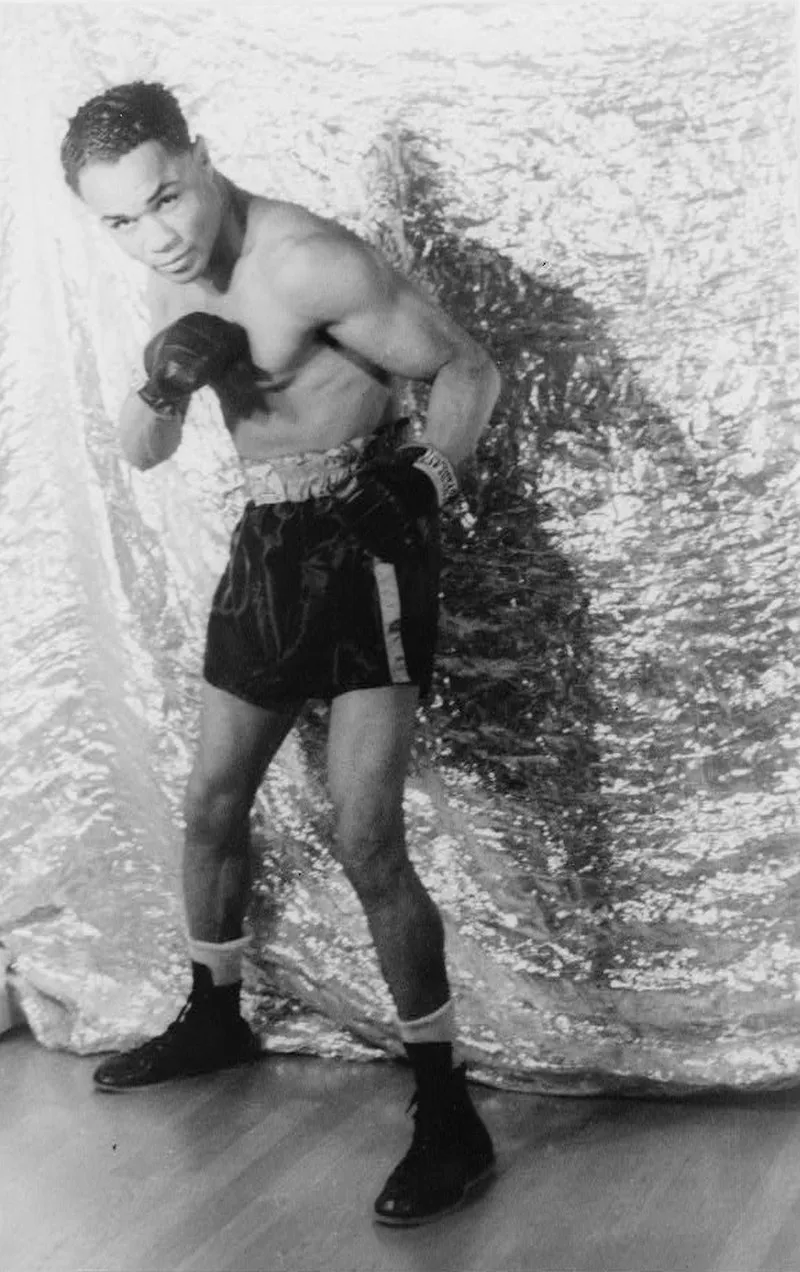
Photo of Henry Armstrong, via Wikimedia Commons
The Triple Crown Achievement That Changed Boxing Forever
Henry Armstrong stands alone in boxing history as the only fighter to simultaneously hold world championships in three different weight divisions. His estimated net worth at the time of his death in 1988 was approximately $50,000, a stark contrast to the millions he earned during his legendary career that spanned from 1931 to 1945.
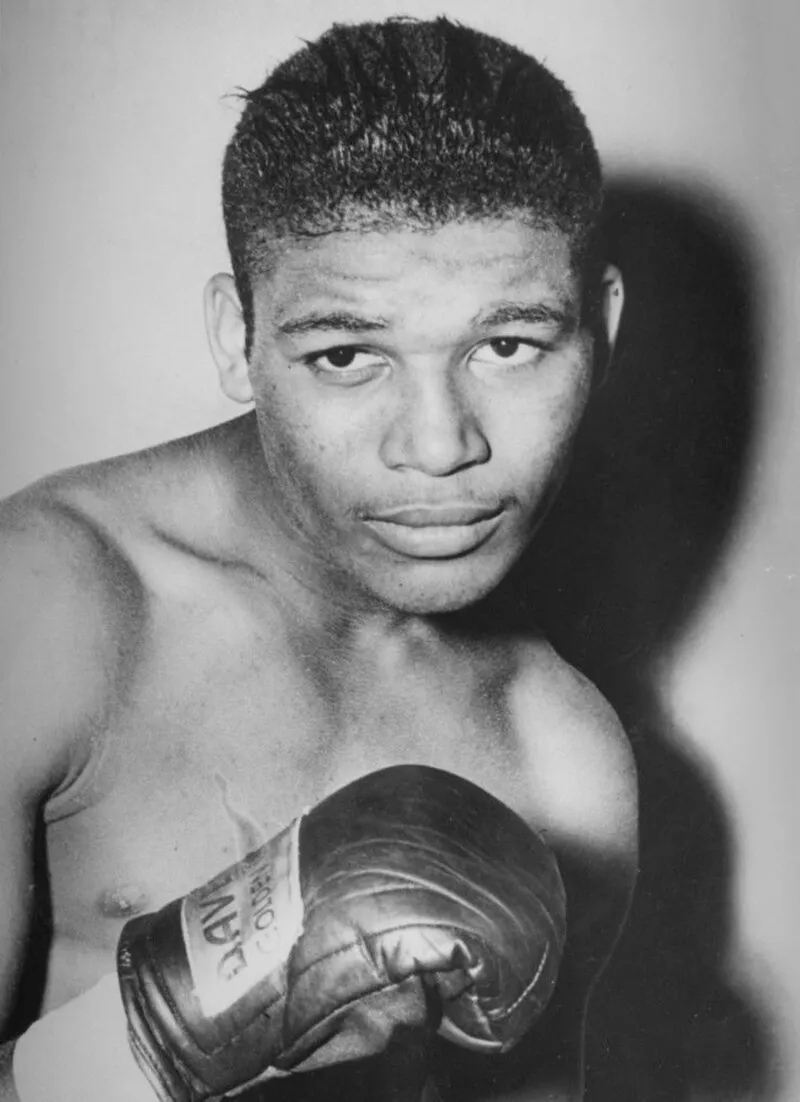
 Photo: Henry Armstrong, via espanafascinante.com
Born Henry Jackson Jr. in Mississippi in 1912, Armstrong's path to boxing greatness began in the depths of the Great Depression. His financial journey reflects both the opportunities and limitations faced by African American athletes in boxing's early professional era.
Career Earnings Breakdown: Depression-Era Boxing Economics
Armstrong's peak earning years came between 1937 and 1940, when he held the featherweight, lightweight, and welterweight titles simultaneously. His biggest purses included:
- $40,000 for defeating Barney Ross for the welterweight title in 1938 (equivalent to approximately $750,000 today)
- $35,000 for his lightweight title victory over Lou Ambers in 1938
- $30,000 for successful title defenses during his championship reign
 Photo: Barney Ross, via ilarge.lisimg.com
 Photo: Lou Ambers, via www.slazag.pl
During his career peak, Armstrong was earning between $200,000-$300,000 annually in 1930s dollars, making him one of the highest-paid athletes of his era. However, boxing's financial structure during this period heavily favored promoters and managers over fighters.
The Business Challenges of Boxing's Golden Age
Unlike modern boxers who benefit from television deals and global marketing, Armstrong's earning potential was limited by the era's infrastructure. Radio broadcasts provided some revenue, but the massive pay-per-view and international broadcast deals that enrich today's champions didn't exist.
Armstrong's management team, led by Eddie Mead, negotiated innovative contracts for the time, including percentage deals on gate receipts. However, the lack of financial literacy programs and investment guidance that modern athletes receive left many fighters of Armstrong's era vulnerable to financial mismanagement.
Post-Career Financial Struggles and Lessons
After retiring from boxing, Armstrong faced significant financial challenges. Like many athletes of his generation, he struggled with:
- Limited pension or retirement benefits from boxing organizations
- Lack of endorsement opportunities due to racial barriers
- Medical expenses related to boxing-related health issues
- Economic discrimination that limited post-career business opportunities
Armstrong worked various jobs after boxing, including as a boxing instructor and security guard, highlighting the financial vulnerabilities faced by even the greatest champions of his era.
The Legacy Value: Armstrong's Enduring Brand
While Armstrong's personal net worth remained modest, his boxing legacy has generated significant value for the sport. His name and image continue to appear in:
- Boxing documentaries and historical retrospectives
- Sports memorabilia markets, where his signed gloves and photos command premium prices
- Educational content about boxing's golden age
- Hall of Fame exhibitions and boxing museums
Modern Context: What Armstrong Would Earn Today
Sports economists estimate that a fighter of Armstrong's caliber competing in today's market could command:
- $50-100 million in career purses for holding three simultaneous titles
- Multi-million dollar endorsement deals with major brands
- Significant pay-per-view revenue shares
- International broadcast and streaming rights deals
His unprecedented achievement of holding three world titles simultaneously would likely generate massive global interest and corresponding financial rewards in today's connected world.
Investment and Business Ventures: Limited Opportunities
The investment landscape of the 1930s and 1940s offered limited opportunities for African American athletes. Armstrong attempted several business ventures, including:
- A brief attempt at restaurant ownership
- Boxing training and instruction services
- Occasional exhibition matches and boxing demonstrations
However, systemic barriers and limited access to capital markets restricted his ability to build lasting wealth outside the ring.
Financial Impact on Boxing History
Armstrong's career earnings, while substantial for his era, underscore the evolution of boxing economics. His financial story illustrates:
- The importance of modern financial planning for athletes
- How boxing's revenue streams have expanded dramatically
- The role of social and economic barriers in limiting athlete wealth accumulation
The Championship Legacy Continues
Today, Henry Armstrong's name carries significant value in boxing circles. His records and achievements continue to generate interest, with:
- Boxing historians regularly citing his unprecedented triple crown achievement
- Modern fighters and promoters referencing his legacy in marketing campaigns
- Sports networks featuring his fights in classic boxing programming
Conclusion: A Complex Financial Legacy
Henry Armstrong's net worth story reflects the broader challenges faced by African American athletes in the mid-20th century. While his boxing achievements remain unmatched, his financial journey serves as both inspiration and cautionary tale. His legacy demonstrates how boxing greatness doesn't always translate to lasting wealth, but also shows how true champions can transcend financial limitations to achieve sporting immortality.
Armstrong's influence on boxing extends far beyond his personal net worth, establishing benchmarks for excellence that continue to inspire fighters and fans nearly a century later.