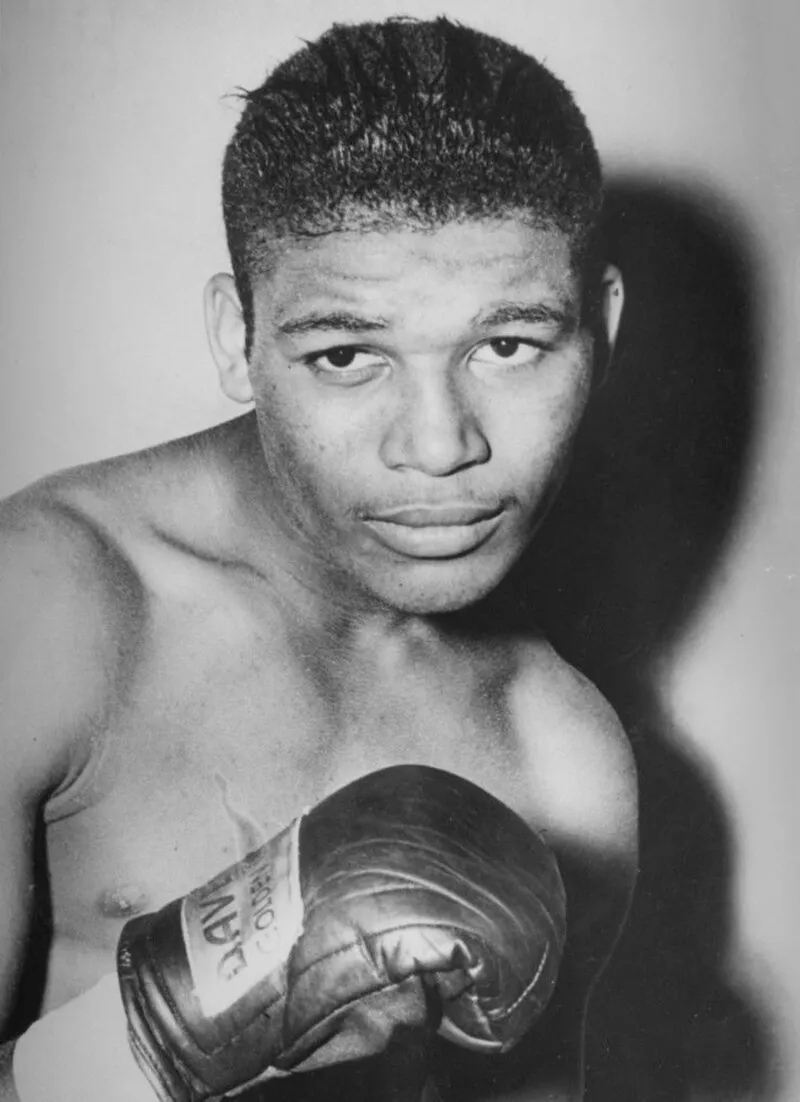
Sugar Ray Robinson Net Worth 2026 - The Pound-for-Pound Legend's Inflation-Adjusted Fortune
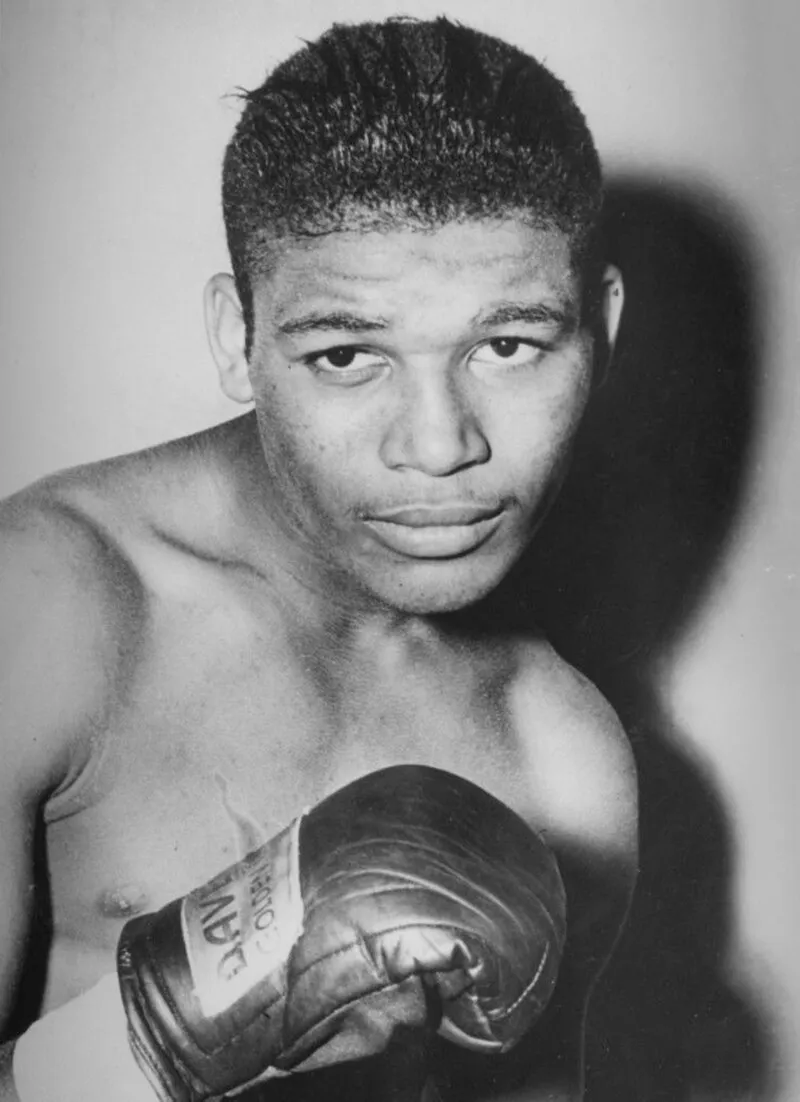
Photo of Sugar Ray Robinson, via Wikimedia Commons
Sugar Ray Robinson Net Worth 2026 - The Pound-for-Pound Legend's Inflation-Adjusted Fortune
Sugar Ray Robinson is universally regarded as the greatest pound-for-pound boxer in history, and his financial biography is as layered and compelling as his ring record. Across five middleweight title reigns, a Harlem business empire, and a late-career entertainment crossover, Robinson generated wealth that was extraordinary for his era — and that inflation-adjusted estimates suggest would place him comfortably among the sport's top earners by modern standards. Boxing Net Worth examines the full financial portrait of a legend whose business instincts were nearly as sharp as his left hook.
A Career Earnings Record Built Across Three Decades
Robinson turned professional in 1940 and did not formally retire until 1965, a span of 25 years during which he compiled a record of 173 wins, 19 losses, and 6 draws across 200 professional bouts. That volume of activity, at a time when fighters competed far more frequently than they do today, produced cumulative ring earnings that were remarkable for the mid-twentieth century.
During the peak years of his career — roughly 1946 through 1958 — Robinson commanded some of the largest purses in boxing. His 1951 middleweight championship fight against Jake LaMotta, the sixth and final installment of their legendary series, generated a Robinson purse estimated at $150,000. His 1952 light heavyweight title challenge against Joey Maxim, fought in brutal heat at Yankee Stadium, reportedly earned him in excess of $200,000. When adjusted for inflation using the Consumer Price Index, those figures translate to purchasing power equivalent to $1.8 million to $2.5 million in 2026 dollars — figures that contextualalize Robinson as a genuinely elite earner for his era.
 Photo: Yankee Stadium, via traveldigg.com
Across his full professional career, historians and sports economists estimate Robinson's total ring earnings at approximately $4 million in historical dollars, which translates to a modern equivalent of roughly $35 to $40 million when adjusted for inflation. That figure places him in a different conversation than many of his contemporaries, and it reflects the premium that promoters and broadcasters placed on a fighter who was, quite simply, the biggest draw in boxing for much of the 1940s and 1950s.
The Harlem Empire: Nightclubs, Barbershops, and Real Estate
What distinguished Robinson from nearly every fighter of his generation was his determination to build wealth outside the ring. At the height of his fame in the late 1940s, he invested his boxing earnings into a portfolio of Harlem businesses that became both a personal financial asset and a cultural institution.
The Sugar Ray Robinson Enterprises portfolio included a popular nightclub on Seventh Avenue that bore his name, a barbershop, a dry-cleaning establishment, and a lingerie shop. The nightclub in particular became a destination for Harlem's social elite, attracting musicians, entertainers, and celebrities who orbited Robinson's glamorous world. At its peak, the enterprise employed dozens of people from the Harlem community and generated revenues that supplemented Robinson's fight income substantially.
Robinson was also known for traveling in extraordinary style — a pink Cadillac, an entourage of associates, and a lifestyle that consumed as much wealth as it generated. His spending habits were legendary, and financial historians note that the Harlem business empire, while genuinely profitable in its prime years, was ultimately insufficient to sustain the expenditure Robinson maintained throughout his career. By the time he retired in 1965, the business portfolio had contracted significantly, and much of his accumulated wealth had been spent.
Television and Entertainment: Boxing's First Crossover Star
Robinson's charisma and celebrity made him one of the first boxers to successfully leverage the emerging medium of television. His fights were broadcast on early network television in the late 1940s and 1950s, and his recognizability extended well beyond the boxing audience. He made guest appearances on television programs, pursued an interest in professional dancing, and maintained a public profile that straddled the worlds of sport and entertainment in a way that few athletes of any era had managed.
These media appearances generated supplemental income and, more importantly, sustained his commercial value between fights. Endorsement arrangements with consumer brands — modest by contemporary standards but meaningful in the context of 1950s athlete marketing — added further revenue. Robinson was, in many respects, a prototype for the athlete-as-celebrity model that would not become standard practice until decades later.
Financial Challenges and Later Years
Despite his extraordinary earning power, Robinson's later years were marked by financial difficulty. The combination of a lavish lifestyle, declining business revenues, and the tax obligations that consumed a substantial portion of his fight purses — a burden shared by nearly every high-earning American of the postwar era — left him in a precarious position by the time of his retirement.
Robinson suffered from Alzheimer's disease in his final years and passed away in 1989. The Sugar Ray Robinson Youth Foundation, established to support at-risk youth in Los Angeles, became part of his enduring legacy. It stands as evidence that, whatever the fluctuations in his personal fortune, Robinson's impact extended well beyond the balance sheet.
Net Worth in Historical and Modern Context
Boxing Net Worth estimates Sugar Ray Robinson's peak historical net worth — measured at the height of his earning power in the early 1950s — at approximately $2 to $3 million in period dollars, equivalent to $22 to $30 million in 2026 purchasing power. His estate at the time of his death was considerably more modest, reflecting decades of expenditure, business contraction, and the financial realities of a pre-union, pre-regulated era of professional boxing in which fighters had limited structural protections.
For the modern US sports finance audience, Robinson's story carries a lesson that resonates across every era: extraordinary earning power, unaccompanied by disciplined wealth management, does not guarantee lasting financial security. Robinson built more than most of his contemporaries ever could. That he did not hold onto all of it diminishes neither his greatness nor the remarkable financial architecture he constructed during the most dominant boxing career the sport has ever witnessed.