Joe Louis Net Worth 2026 - The Brown Bomber's Championship Earnings and the IRS Debt That Defined His Legacy
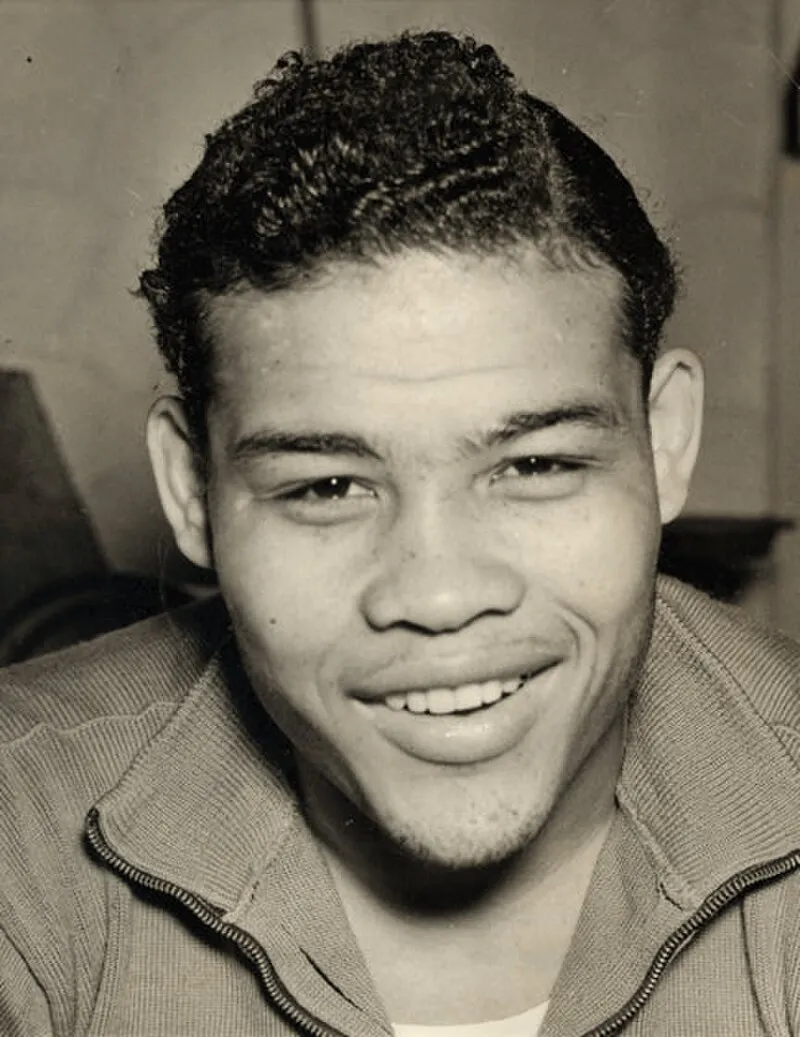
Photo of Joe Louis, via Wikimedia Commons
Joe Louis Net Worth 2026 - The Brown Bomber's Championship Earnings and the IRS Debt That Defined His Legacy
Joe Louis was the most dominant heavyweight champion of his era, a fighter who held the world title for nearly 12 years and earned the equivalent of tens of millions of dollars in modern terms. Yet the Brown Bomber died in 1981 with virtually nothing, buried beneath an IRS debt that consumed his post-career decades and turned one of boxing's greatest financial success stories into one of its most cautionary. Understanding how that happened is essential reading for any serious student of boxing economics.
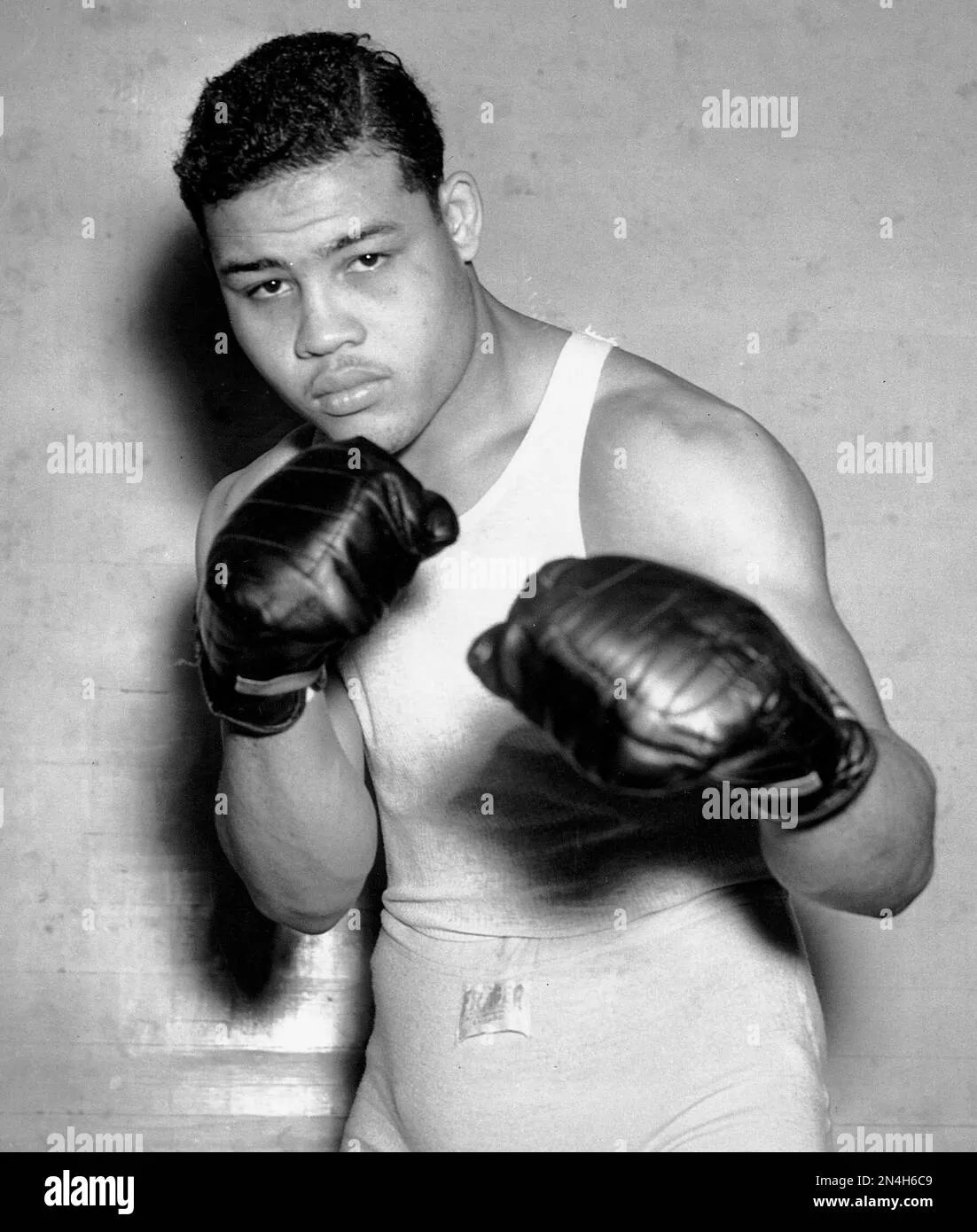 Photo: Joe Louis, via c8.alamy.com
The Champion Who Carried a Nation
Born Joseph Louis Barrow in Lafayette, Alabama, in 1914, Louis came of age during the Great Depression and rose to become a figure of extraordinary cultural and symbolic weight. His 1938 rematch knockout of Max Schmeling — a German fighter whom Nazi propaganda had positioned as a symbol of Aryan supremacy — was one of the most politically charged sporting events in American history. Louis knocked Schmeling down three times in the first round, ending the fight in two minutes and four seconds. The country celebrated him not merely as a boxing champion but as a national hero.
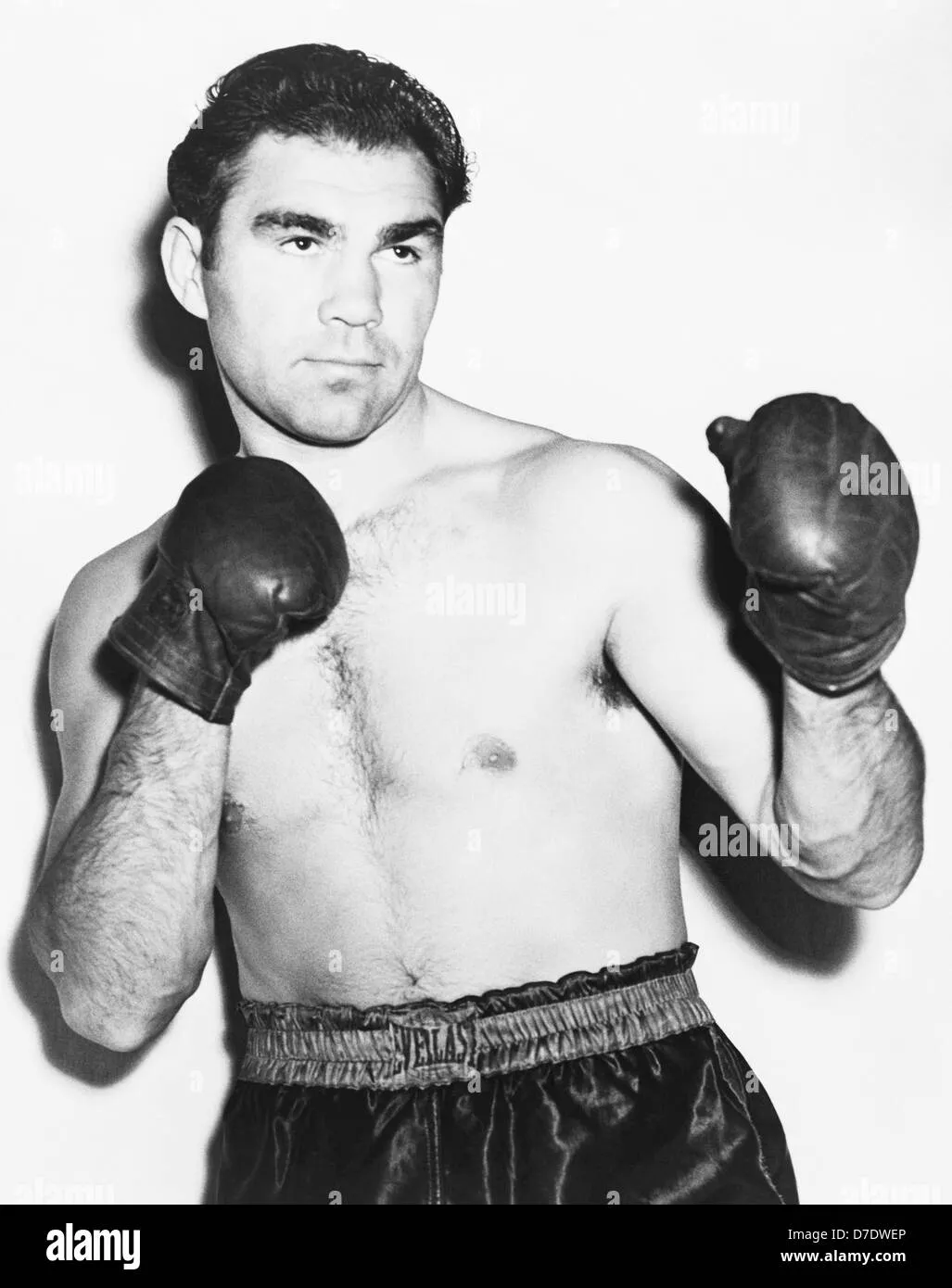 Photo: Max Schmeling, via c8.alamy.com
Louis held the heavyweight championship from 1937 to 1949, making 25 title defenses — a record that has never been approached in the modern era. He was, by the standards of his time, an immense commercial property.
Championship Purses and Wartime Sacrifice
Louis's fight earnings across his championship reign were substantial by any historical measure. His biggest paydays included:
- The first Max Schmeling fight (1936): approximately $370,000 — worth roughly $8 million in 2026 dollars
- The rematch with Schmeling (1938): approximately $350,000, or approximately $7.5 million today
- The Billy Conn rematch (1946): a gate exceeding $1.9 million, with Louis receiving a reported $625,000 — equivalent to approximately $10 million today
- The Ezzard Charles fight (1950): approximately $300,000 as Louis attempted a comeback
Across his championship years, Louis is estimated to have earned the modern equivalent of $40 million to $50 million in gross fight income — a figure that would place him among the significant earners in boxing history even by contemporary standards.
However, a critical portion of that income was effectively donated. During World War II, Louis fought two charity bouts — against Buddy Baer and Abe Simon in 1942 — donating his entire purses to the Army and Navy Relief Funds. The gesture was patriotic and genuine, but it created a tax liability that the Internal Revenue Service would later pursue with devastating effectiveness: Louis had donated gross income but was still required to pay income tax on it, generating a debt that compounded for decades.
The Promoter Problem and Mike Jacobs
Louis's relationship with promoter Mike Jacobs of the Twentieth Century Sporting Club was the defining commercial arrangement of his career. Jacobs controlled Louis's promotional rights and, like most promoters of the era, extracted a substantial share of fight revenues. The standard promotional split was heavily weighted toward the promoter, and Louis — like virtually every fighter of his generation — had limited contractual leverage and minimal independent financial counsel.
The structural dynamic was straightforward: Louis generated the crowds and the cultural moment; Jacobs and his associates captured the majority of the commercial upside. By the time Louis retired in 1949, his gross earnings were impressive, but the net amount available to him was a fraction of what a fighter of equivalent stature would retain today.
The IRS Debt: A Decades-Long Crisis
The Internal Revenue Service became the defining antagonist of Joe Louis's post-retirement life. The wartime charity fight tax issue, compounded by back taxes on other income and penalties that accumulated over years of non-payment, produced a debt that grew into the millions. By some accounts, Louis owed the IRS as much as $1.25 million by the early 1950s — a sum equivalent to more than $14 million in 2026 dollars.
Efforts to address the debt through continued fighting were unsuccessful and physically damaging. Louis came out of retirement in 1950, lost to Ezzard Charles, and continued fighting until 1951 when Rocky Marciano knocked him out. The comeback earned income but failed to resolve the fundamental financial crisis.
The IRS pursued Louis relentlessly. Gifts from friends, including a reported intervention by businessmen who paid portions of his debt, provided temporary relief but not resolution. Louis spent much of the 1950s and 1960s in a state of financial anxiety that stood in surreal contrast to his cultural stature.
Las Vegas and the Greeter Years
In the 1960s and 1970s, Louis found a form of stable employment as a casino greeter and goodwill ambassador in Las Vegas, primarily at Caesars Palace. The role paid a reported $50,000 per year — modest by any measure, but meaningful for a man whose options were constrained by age, health, and the lingering shadow of his tax obligations.
 Photo: Caesars Palace, via c8.alamy.com
The image of the former heavyweight champion of the world welcoming casino guests was poignant to those who understood his history. To Louis himself, it appears to have been accepted with the same dignity he carried throughout his life. He was reportedly treated well by casino management and remained a beloved figure in Las Vegas's entertainment community.
Health, Final Years, and Death
Louis suffered a cerebral hemorrhage in 1969 and underwent surgery for a suspected aortic aneurysm in 1977. His health deteriorated steadily through his final years. He died on April 12, 1981, one day after attending the Caesars Palace bout between Larry Holmes and Trevor Berbick. He was 66 years old.
His estate at death was negligible. The IRS debt had never been fully resolved, though various negotiations and partial payments had reduced it over the decades. Caesars Palace covered his funeral expenses, and he was buried at Arlington National Cemetery — a final honor that acknowledged his wartime service and his place in American history.
What Joe Louis's Story Means in 2026
For contemporary US boxing fans and fighters, Louis's financial arc carries lessons that have not aged. The mechanisms that stripped him of his earnings — exploitative promotional contracts, inadequate tax planning, wartime sacrifice without financial protection, and the absence of independent financial management — are variations of dynamics that continue to affect professional athletes today.
His estimated peak net worth, in modern adjusted terms, approached $20 million to $25 million at its apex. His actual estate at death was effectively zero. The distance between those two numbers represents not personal failure but systemic failure — a commercial structure that was designed to benefit everyone around the champion more than the champion himself.
Joe Louis deserves to be remembered as one of the greatest heavyweight champions in history. He also deserves to be remembered as a cautionary figure whose financial story helped shape the advocacy for fighter rights that continues in boxing circles to this day.